Moodus's Wet Springs and Wooded Lots Are Winning the Battle Against Your Property Lines — Brush Cutting Changes That
What Connecticut's Seasonal Growth Cycle Does to Unmanaged Land
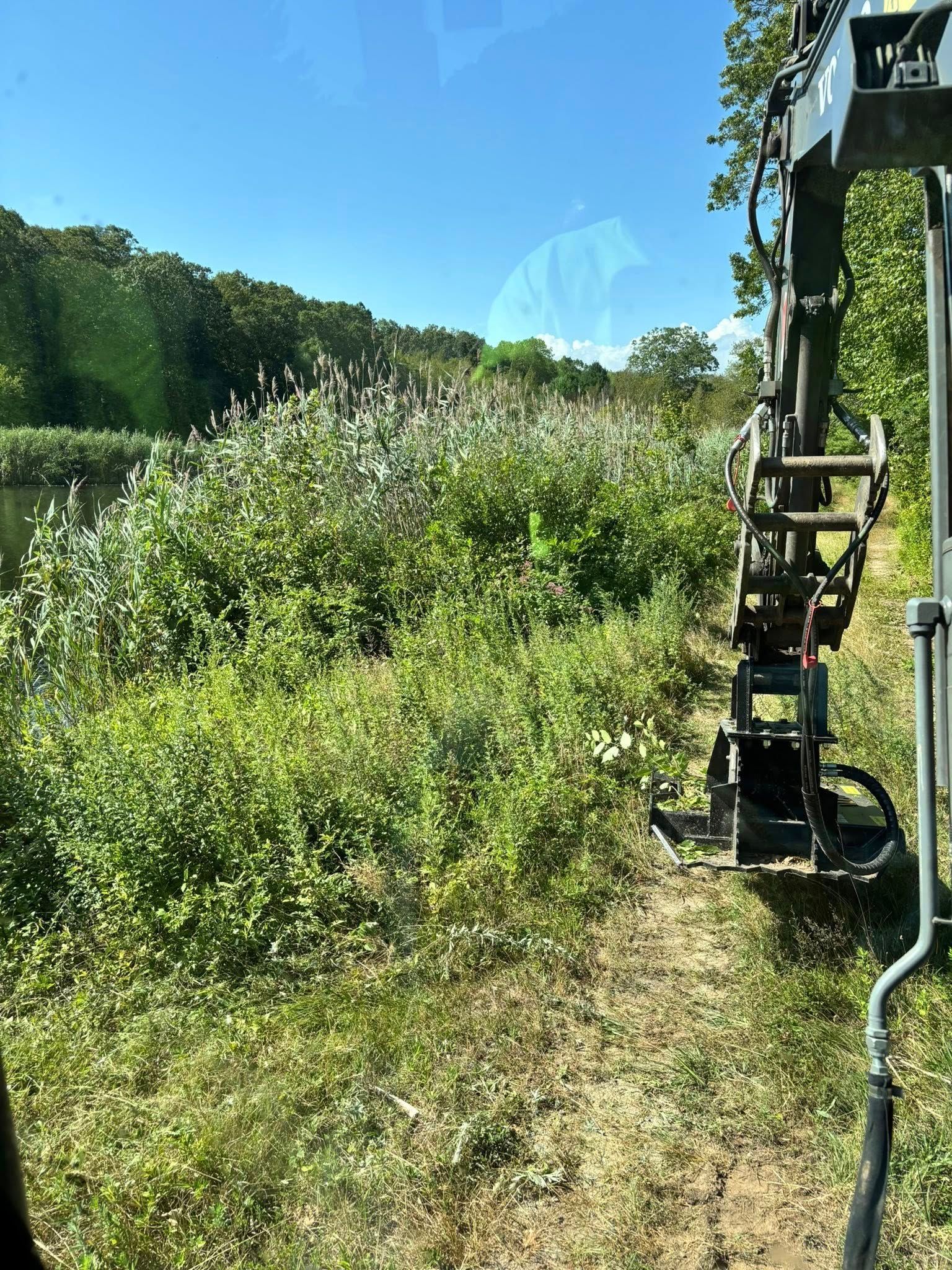
When Moodus property owners skip a single growing season, the results are measurable: sapling stands advance several feet into open ground, bittersweet vines overtake fence lines, and bramble thickets close off trails that were walkable the year before. The Connecticut River Valley's combination of heavy spring moisture and warm summers creates one of the most aggressive brush regrowth environments in the state — vegetation doesn't just return, it accelerates.
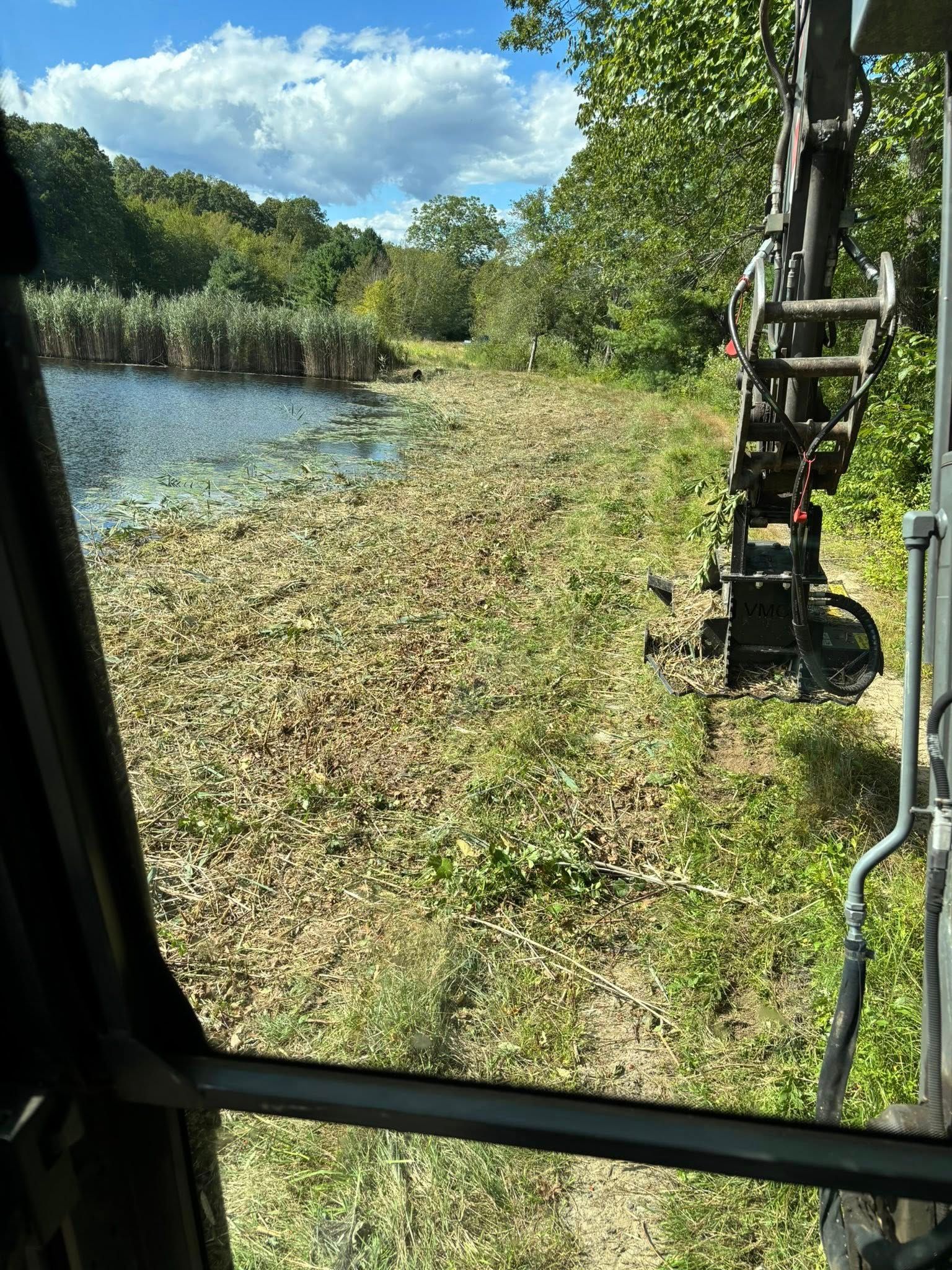
S.F. Property Services LLC operates brush cutting equipment built for the uneven terrain and dense woody overgrowth common on Moodus lots — flail mowers and hydraulic cutters that reduce thick sapling stands to ground-level chips rather than leaving cut stems that re-sprout at the base. After clearing, property lines become visible again, access paths open up, and the land looks and functions the way it was intended to.
Why Standard Equipment Fails on Moodus Terrain
Moodus properties frequently combine wetland buffer zones, rocky hillside edges, and low-lying areas that stay saturated through late spring. Consumer-grade brush cutters bog down in this kind of terrain, and hand clearing with loppers or chainsaws becomes impractical once sapling density exceeds a few hundred stems per acre. The right approach matches machine weight and cutting head type to the specific vegetation class — light woody growth requires different tooling than established multi-stem thickets with root systems several inches across.
Clearing is sequenced to minimize soil disturbance: drier perimeter areas are addressed first, and low-lying zones are scheduled for windows when ground conditions allow tracked equipment access without rut damage. Debris is cut to a manageable chip layer that decomposes in place or is hauled off, depending on site needs. After the work is complete, previously inaccessible areas — sheds, boundary markers, drainage ditches — are fully reachable and the cleared zone holds for a full season before regrowth requires attention again.
If encroaching brush is reducing the usable area of your Moodus property, now is the right time to act before the next growth cycle adds another season of density to the problem. Get in touch to discuss brush cutting options for your site.
What Overgrowth Is Actually Doing to Your Property
Unmanaged brush creates a specific set of compounding problems — each one making the next harder to address. Here's what's happening on overgrown land:
- Bittersweet and invasive vines girdle young trees, killing them and adding dead wood fuel load to the brush mass
- Tick and small mammal habitat expands dramatically in dense bramble zones — a documented concern in Moodus and surrounding Middlesex County
- Boundary markers and survey pins become buried under root mass, complicating future property transactions
- Drainage channels and culverts clog with root intrusion and debris, causing standing water to spread beyond the original wet zone
- Fire risk increases as accumulated dead woody material from prior seasons builds beneath live canopy
Each of these problems is preventable with scheduled brush cutting before vegetation reaches the density where remediation costs significantly more than maintenance would have. Contact us to schedule brush cutting and clearing in Moodus before this season's growth cycle compounds the issue further.