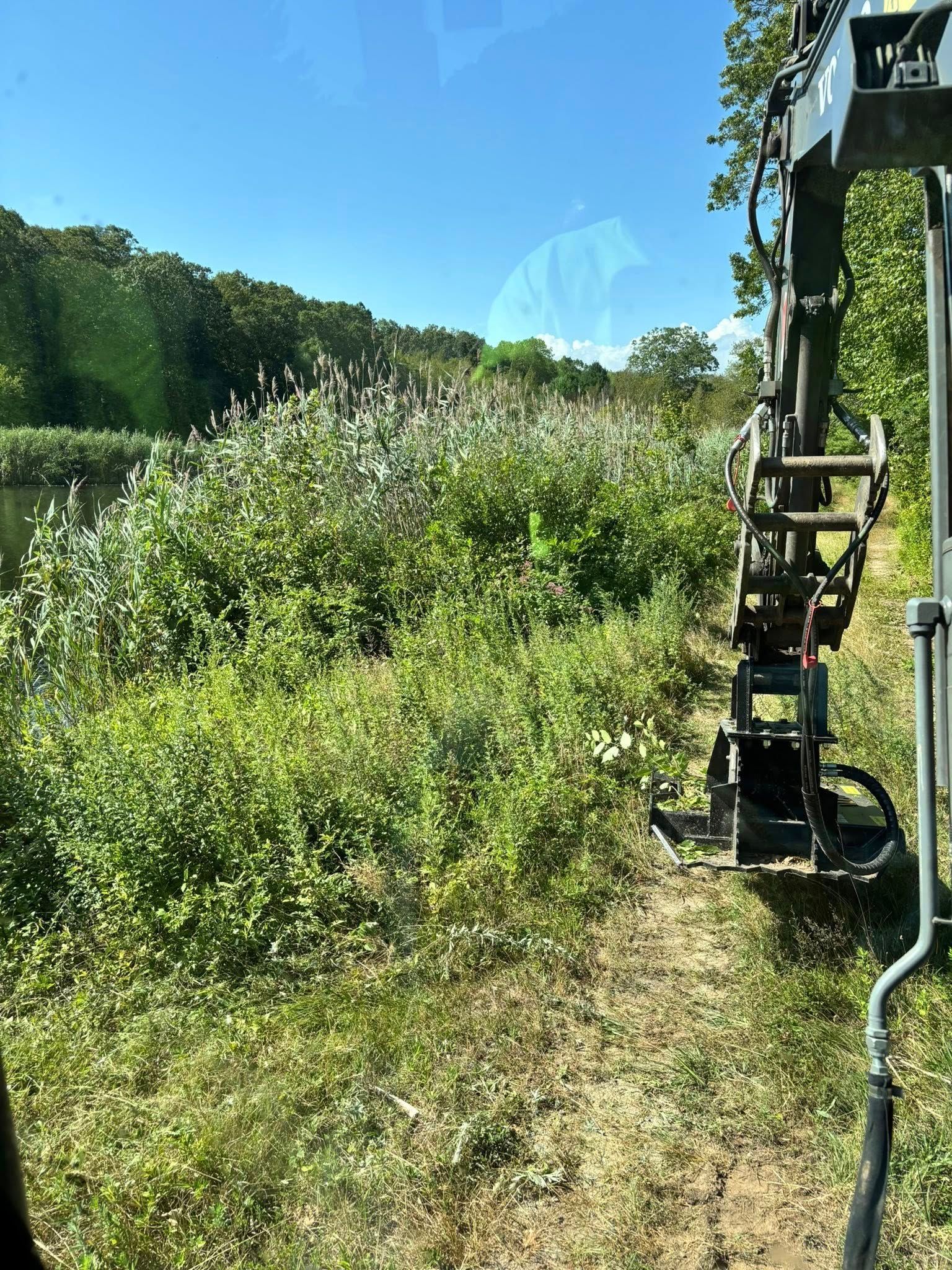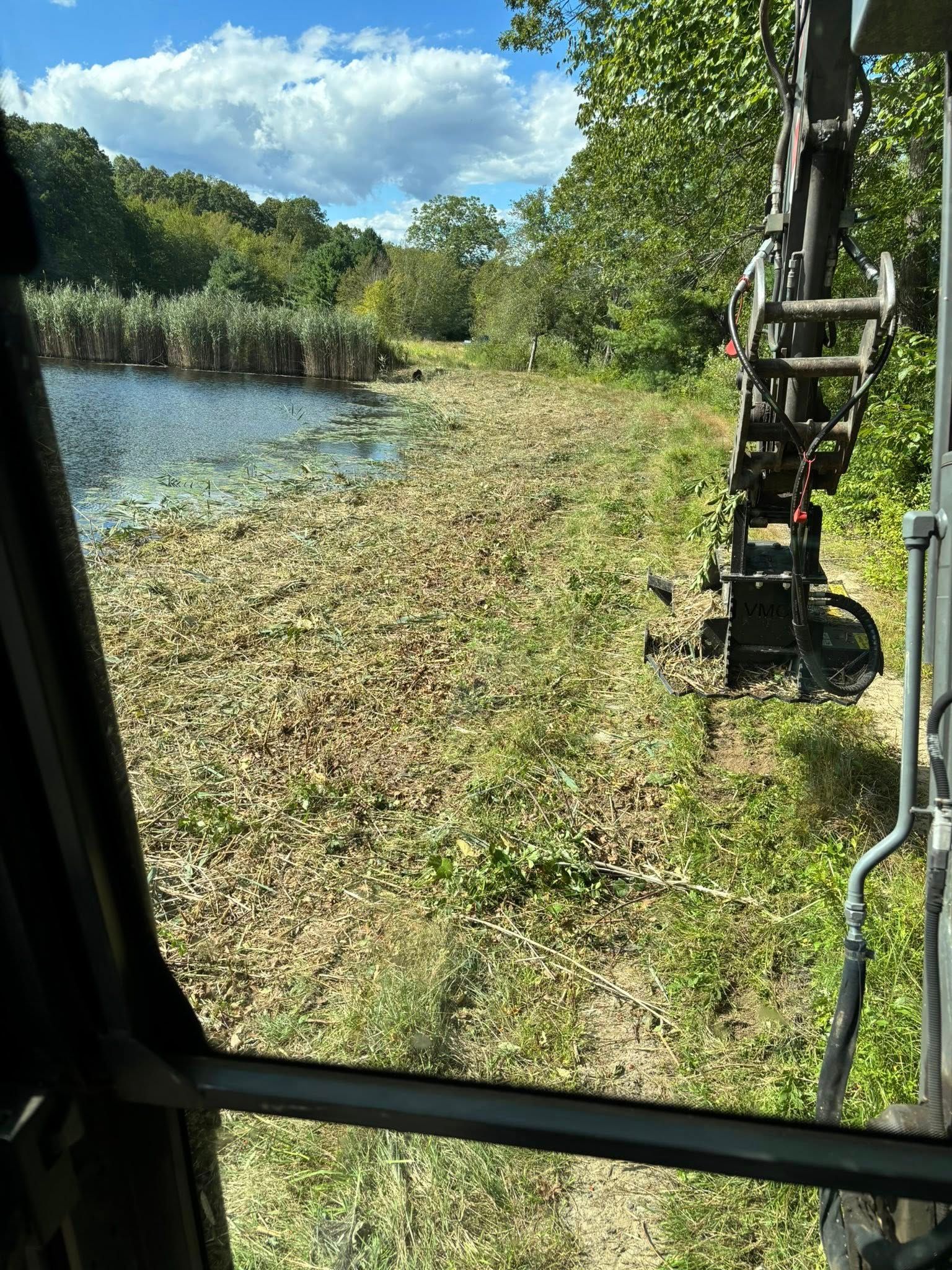
Storm Cleanup in East Lyme Completed Thoroughly — Driveways Clear, Debris Gone, Property Secured
What Restored Access and Cleared Hazards Look Like After a Storm Response
After a nor'easter or coastal wind event moves through East Lyme, the immediate result is visible: driveways blocked by downed limbs, hanging branches suspended in the canopy above walkways, scattered debris across lawns, and in some cases, full tree failures across fences or structures. The outcome that matters is when all of that is gone — access restored, hazards eliminated, and the property back to its pre-storm condition without visible damage to surrounding turf, plantings, or hardscape from the cleanup process itself.
S.F. Property Services LLC provides storm cleanup response that prioritizes access restoration first — clearing driveways and entry paths so the property is navigable — then works systematically through secondary debris removal, hanging limb extraction, and final site cleanup. East Lyme's coastal exposure along the Sound and proximity to the Niantic River basin means wind events frequently affect properties across a wide area simultaneously, so response scheduling accounts for volume and site-specific hazard severity. Once the crew departs, the cleared area is debris-free down to ground level, with no slash piles left behind.
How Storm Cleanup Is Sequenced to Match East Lyme's Post-Storm Conditions
East Lyme properties experience a specific storm damage pattern driven by their coastal position: sustained wind from the southeast during tropical systems and nor'easters applies directional loading that preferentially drops limbs and trees toward the northwest — meaning debris fields are predictable in orientation, and cleanup sequencing can begin with the most accessible blocked areas first. Properties near the wooded sections of Rocky Neck State Park and the area's inland residential zones share different exposure profiles, with inland lots accumulating more canopy debris and coastal properties more likely to experience structural impact from large-diameter limb failures.
The cleanup process involves more than simply hauling what's on the ground. Hanging limbs — called widow makers in arborist terminology — are the highest-priority hazard because they're not visible at ground level until someone walks beneath them. Identifying and extracting suspended debris before ground-level clearing begins is the step that prevents secondary injuries during cleanup itself. After all aerial hazards are removed, ground debris is consolidated, chipped on-site or loaded for off-site removal, and the work area is raked clear so the property is not just accessible but finished. Storm cleanup results are measurable: every blocked path is clear, every hanging limb is down, and the site is safe to use normally.
Storm cleanup in East Lyme moves faster when equipment is staged and a site assessment is completed quickly after the weather clears. Get in touch as soon as conditions allow to get on the schedule and restore your property.
What a Complete Storm Cleanup Service Covers
A thorough storm cleanup service addresses the full scope of post-storm conditions, not just what's visible from the driveway:
- Immediate driveway and access path clearing so the property is navigable before full debris removal begins
- Aerial hazard extraction — suspended limbs identified and brought down safely before ground crews work beneath the canopy
- Full debris consolidation and off-site hauling so no slash piles or brush rows are left behind
- Fence line and structure perimeter clearance for properties near East Lyme's wooded residential areas where tree failures commonly land on boundaries
- Final site walk to identify secondary hazards including split trunks, cracked branches still attached, and root plate movement in recently toppled trees
The difference between a partial cleanup and a complete one is visible within one week — incomplete debris removal leads to secondary decay, pest colonization in cut wood, and continued safety risk from unstable material. Get in touch to schedule storm cleanup in East Lyme and get a full-scope response rather than a surface-level debris pass.